

Quick Summary
Keep pool and spa electrical safety tips in mind: water and electricity do not mix, and wet skin lowers the body’s resistance so small faults become serious quickly. Keep devices and cords away from the water, never handle electrical equipment while wet, and use battery-operated devices near the pool when you can.
- Wet skin and wet surfaces lower the body’s resistance to electric current.
- Keep electrical devices and cords away from the water at all times.
- Never handle electrical equipment while wet or standing in water.
- Use battery-operated devices near the pool when you can.
- A GFCI shuts off power when it detects current leaking to ground.
Table of Contents
- Why Water and Electricity Demand Extra Caution Around Pools and Spas
- Pool Pump GFCI Requirements and Why They Matter
- Electrical Outlet Distance From Hot Tub and Pool Bonding and Grounding
- Frequently Asked Questions
Why Water and Electricity Demand Extra Caution Around Pools and Spas
Last Updated: November 22, 2026
Water and electricity do not mix, and a pool or spa makes that danger harder to see, so these pool and spa electrical safety tips matter. The same few mistakes tend to come up around residential pools and hot tubs. Wet skin and wet surfaces lower the body’s resistance, so a small fault can become serious very quickly.
Keep these pool and spa electrical safety tips in mind:
- Keep electrical devices and cords away from the water
- Never handle electrical equipment while wet or standing in water
- Use battery-operated devices near the pool when you can
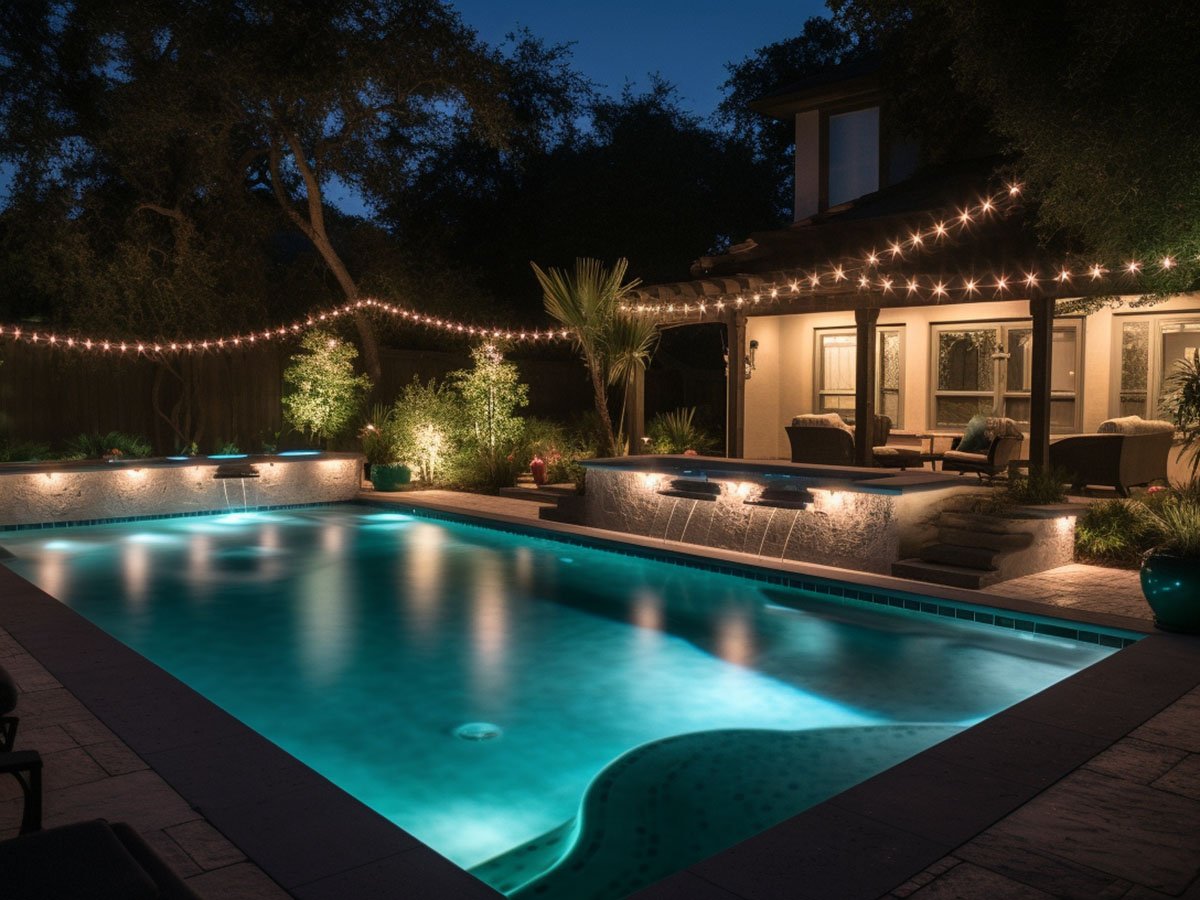
The article’s core cautions are summarised below.
| Risk factor | Why it matters | Action |
|---|---|---|
| Wet skin and surfaces | Lower the body’s resistance | Keep devices and cords away from water |
| Standing in water | Small faults become serious quickly | Never handle electrical equipment while wet |
| Battery-operated devices | Reduce shock exposure | Use them near the pool when you can |
Pool Pump GFCI Requirements and Why They Matter
A ground-fault circuit interrupter (GFCI) shuts off power when it detects current leaking to ground. A licensed electrician can review your pool pump and lighting circuits for GFCI protection and confirm what your local code requires. Pool Spa Bonding Requirements Guide Las Vegas explains how these rules apply to your own setup.
Electrical Outlet Distance From Hot Tub and Pool Bonding and Grounding
Bonding connects metal parts so they share the same electrical potential, while grounding gives fault current a safe path to the earth (The Basics of Grounding and Bonding). Outlet placement also matters, since receptacles near water need proper distance and protection. Hot Tub Electrical Requirements Las Vegas covers what applies to your installation, and 220 Volt Outlet Installation Las Vegas explains the process for a dedicated circuit.
If you see flickering, warm outlets, or a tingling sensation near the water, stop using the equipment and call a qualified electrician. Pool Electrical Repair Las Vegas can help you find and fix the fault.
Frequently Asked Questions
How close can a hot tub be to an electrical outlet?
The commonly cited guidance is that outdoor receptacles should sit at least 10 feet from a pool or spa’s inside wall, and the 5-foot rule often mentioned online is not the standard to rely on. The National Electrical Code sets specific clearance requirements, and local jurisdictions may add their own. Because codes and local amendments vary, confirm the exact distance with your local building department or a licensed electrician before installing or moving any outlet near a hot tub.
Do pool pumps and hot tubs need GFCI protection?
Yes. Electrical equipment serving pools and spas, including pumps, heaters and lighting, is generally required to have ground-fault circuit interrupter protection under the National Electrical Code. A GFCI cuts power quickly when it detects current leaking to ground, which can prevent electric shock. Test GFCI devices monthly using the built-in test button, and have a licensed electrician replace any that fail to trip or reset.
When should pool or spa electrical equipment be inspected?
Have pool and spa wiring inspected after installation, after any repair or upgrade, and periodically as a preventive check. Warning signs that call for an immediate inspection include tingling in the water, flickering lights near the pool, breakers that trip repeatedly, and visible corrosion or damaged cords. If you notice any of these, turn off the equipment at the breaker and contact a licensed electrician before using the pool again.
